
DIAGNOSTIC IMAGING
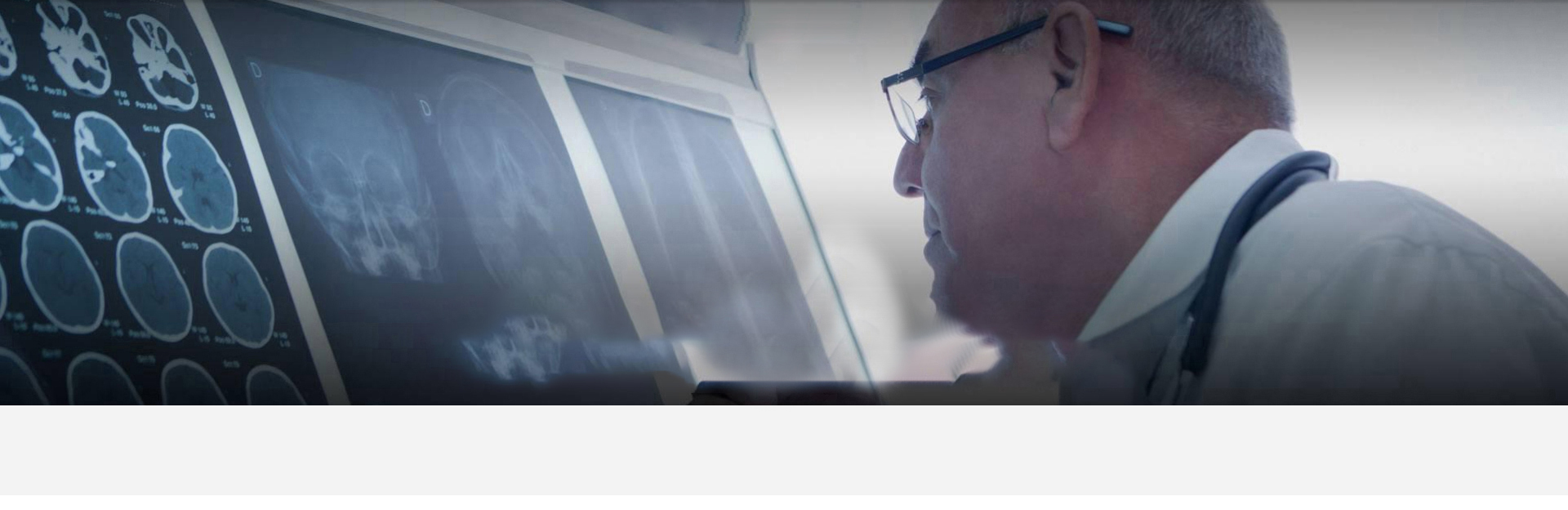
Diagnostic imaging systems such as X-rays and ultrasound Thave been, in use for decades.Other systems are also relatively new, including computerized tomography (cTnuclear magnetic resonance imaging (MR1) and nuclear or Positron radiation tomography (PET).
ELECTRONIC MEDICAL
TREATMENT
E-medicine includes, the following three key areas: patient monitoring,.ventilation and life support and anesthesia
HARDWARE ACCELERATION
Ultrasonic,x-ray , CT and OPET algorithms all require a large number of back-end computing, for example, the use of custom parallel pipeline'fast Fourier transform (Pn).The load is unloaded from the main processor to FPGA,thus improving the performance of the algorithm.
CARDIAC MANAGEMENT
Low-cost, low-power Cycloneo FPGAs and MAX CPLDs for CRM applications provide the most cost-effective programmable solutions for data processing.
ARCHITECTURE
Medical electronics range from large diagnostic imaging machines that occupy the entire room to smal mobile devices that patients can carry with them.
GENOME / LIFE SCIENCE
Genome sequencing is designed to map and associate genomes to gene reference sequences.This method is a basic technology for the diagnosis and treatment of rare
hereditary diseases and the realization of medical breakthroughs and personalized medical services.